How to Keep Cut Flowers Fresh Longer (Florist Tips That Actually Work)
How to keep cut flowers fresh longer? From twenty years behind a flower-shop counter.
A cut-flower arrangement is at peak around 48 hours after delivery and starts losing structure on day four or five for most varieties. The internet is full of advice about how to extend vase life. Most of it is folklore. A few of the tips are real.
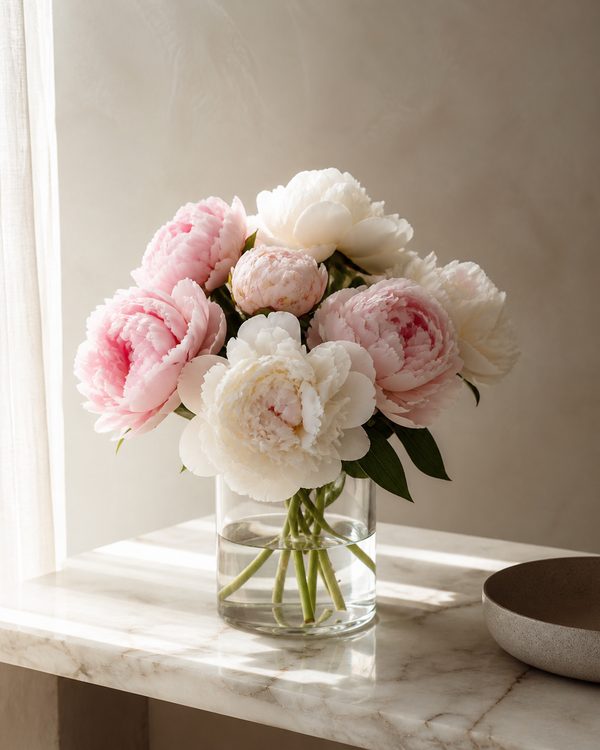
I owned a flower shop for fifteen years. I have watched somewhere around 50,000 customers receive bouquets and listened to the feedback when they came back to reorder. The arrangements that lasted came from a small set of habits that the customer was actually doing, often unconsciously. The arrangements that died early came from a different set of habits, also often unconscious.
What follows is the version of cut-flower care I would teach somebody on the spot if they walked into my shop and asked. Specific, evidence-based, and ordered by how much each step actually matters.
What actually matters (in priority order)
1. Recut the stems before they go in water (matters most)
The single highest-leverage thing you can do. The cut surface at the bottom of the stem is where water is absorbed. The moment a stem is cut, the cells at the cut surface start to plug up. By the time the arrangement reaches your home, the bottom inch of every stem is essentially sealed.
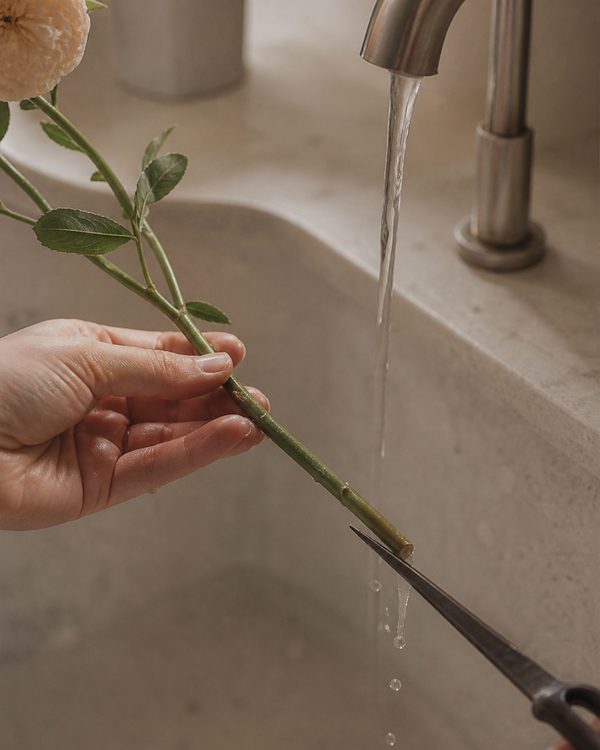
Before putting the bouquet in the vase, take each stem out, cut about half an inch to one inch off the bottom at a 45-degree angle, and put it in water immediately. The 45-degree angle exposes more cut surface to the water. The fresh cut means the stem can actually drink.
Use sharp scissors or a sharp knife. Dull blades crush the stem and pinch off the very capillaries you are trying to open. Floral shears are ideal but a sharp kitchen knife works.
Do this on the day of delivery. Then do it again every two or three days. Every recut extends vase life by roughly a day.
2. Use the flower food packet
Most arrangements come with a small white packet of flower food. About 80% of customers throw it away. Of the remaining 20%, half use too little and half use too much.
The flower food packet does three things. It feeds the flowers (sucrose). It lowers the pH so the water is closer to the slightly acidic environment the stem prefers (citric acid). It controls bacteria (a small amount of biocide).
Use the entire packet, dissolved in the water at the dose printed on the packet (usually one packet per quart). When you change the water, use a new packet.
Out of packets? An honest substitute that approximates the same effect: one teaspoon of sugar, one teaspoon of lemon juice, and a quarter teaspoon of bleach per quart of water. Folklore alternatives like coins, aspirin, or vinegar do not perform as well as either real flower food or the sugar-lemon-bleach mix.
3. Change the water every two to three days
The water in a cut-flower vase is breeding ground for bacteria after about 48-72 hours. The bacteria clog the cut stems, which is why arrangements often die suddenly on day four or five even when they looked fine on day three.
Change the water every two to three days. Refill with fresh water and a new flower food packet. Recut the stems while you are at it.
This single habit extends arrangement life by roughly two to three days for most flower types. It is the most underrated cut-flower-care step.
4. Strip the leaves below the waterline
Any leaf submerged in water rots. The rot becomes the bacteria source that ruins the arrangement.
When you put the bouquet in the vase, strip off any leaves that fall below the waterline. The arrangement looks better for it (cleaner stems are more visible) and the water stays cleaner longer.
5. Keep them out of direct sunlight and away from heat sources
Cut flowers do not need light. They are not photosynthesizing meaningfully without their roots; they are slowly dying. Direct sunlight accelerates the dying. Heat sources (radiators, near the oven, on top of the TV) accelerate it more.
Keep the arrangement on a side table, kitchen island, or shelf out of direct sun and away from heat. Cooler is better. The flowers will last days longer in a 65-degree room than in a 75-degree room.
6. Keep them away from fruit (especially bananas, apples, and tomatoes)
This is the most counter-intuitive tip and the one most people do not know. Ripening fruit emits ethylene gas, which acts as a senescence signal to flowers. Flowers near a fruit bowl age faster.
If your arrangement is on the kitchen counter and there is a fruit bowl on the same counter, move one of them. The arrangement will last meaningfully longer. This is also why florists store flowers in dedicated coolers without fruit.
What does not matter (or matters less than the internet says)
A few of the popular tips have less effect than people claim.
Adding pennies to the water. Folklore says copper acts as a fungicide. The amount of copper that leaches from a penny in tap water is too small to make a measurable difference. Skip this.
Aspirin in the water. The theory is that aspirin lowers pH, which the stem prefers. The amount of pH change from a single aspirin tablet in a quart of water is too small to matter. The flower food packet does this job better.
Bleach without sugar and acid. A drop of bleach controls bacteria but does not feed the flower or adjust pH. By itself, bleach is the third leg of a three-legged stool. Use the full sugar-lemon-bleach mix or a flower food packet.
Hairspray on the petals. Folklore says hairspray seals the petals and slows wilting. It also blocks the petal's pores and pollutes the water if any drips off. Skip.
Refrigerating overnight. Florists do this with their inventory because the cooler controls humidity, light, ethylene, and temperature simultaneously. A home refrigerator does not. Home fridges are full of ethylene-emitting fruit, are dry, and have inconsistent temperature. Refrigerating cut flowers in a home fridge often makes them last shorter, not longer. Skip.
What to do for specific common varieties
Different flowers have different vase-life expectations and care needs.
Roses. Vase life of 5-7 days under good care. Care notes: very sensitive to clogged stems, so recut every 2 days. Strip lower leaves. Keep cool. The rose-specific issue: "bent neck," where the head droops because the stem cannot transport water fast enough. If a rose's neck bends, recut the stem aggressively (an inch off, fresh angle) and place in deep cold water for an hour. About half come back.
Lilies. Vase life of 7-14 days. Care notes: as buds open one by one over several days, snip off spent blooms to redirect energy to new buds. Wear gloves; lily pollen stains and is toxic to cats.
Tulips. Vase life of 5-7 days. Care notes: tulips continue to grow after cutting, often elongating by an inch or two over several days. They lean toward light. Rotate the vase to keep them upright.
Hydrangeas. Vase life of 4-7 days. Care notes: hydrangeas drink through both stems and petals. If a hydrangea wilts, submerge the entire flower head in cool water for 20 minutes. They often revive completely.
Peonies. Vase life of 5-7 days when delivered as buds. Care notes: peonies arrive as tight balls and open dramatically over 2-4 days. Resist the urge to "help" them open by squeezing. Keep cool. They open faster in warm rooms.
Sunflowers. Vase life of 5-10 days. Care notes: sunflowers drink heavily; check water level daily. Heavy heads benefit from a tall vase.
Carnations. Vase life of 7-14 days. The longest-lasting common cut flower. Almost no special care needed. Recut and change water at standard intervals.
Mixed bouquets. Match the care to the most demanding flower. If a mixed bouquet contains roses, follow rose protocols. The shortest-lived flower in the mix is the bouquet's bottleneck.
The reality check
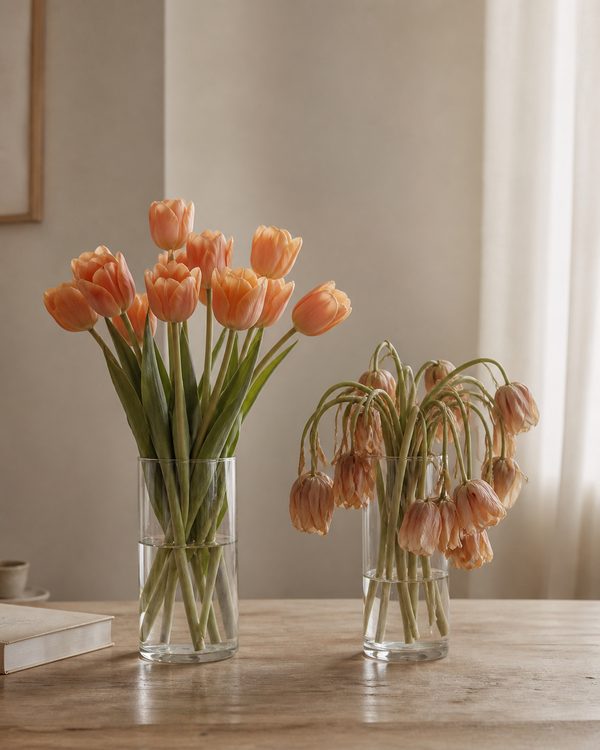
Cut flowers die. That is the deal. The point of cut flowers is not to last forever; it is to bring beauty into a room for a week.
The care steps above can extend a 5-day arrangement to 8 days, or a 7-day arrangement to 10 days. They cannot turn a 5-day rose into a 14-day rose. The biology has limits.
What the care does is honor the gift. The person who sent the flowers wanted you to enjoy them. Following the care steps respects the gesture and pays it back as enjoyment over a longer window.
A note on the supply side
If you are reading this because the flowers you received died faster than you expected, the issue is sometimes not the care. It is sometimes the flowers themselves.
Flowers from centralized-fulfillment delivery services often arrive partially compromised. They have been boxed for two or three days, shipped via FedEx or UPS, and unpacked from a box rather than handed off from a cooler. They start the vase-life clock partway through.
Flowers from a local florist (whether ordered locally or through a local-network service like Teleflora) start with their full vase life ahead of them. The same care steps work much better on a fresh-arranged delivery than on a shipped-from-warehouse one.
If your arrangements consistently die early no matter how well you care for them, the lever to pull is probably which service you are ordering through, not which care steps you are doing. See Best Flower Delivery Services Compared for the side-by-side.
Frequently Asked Questions
How long do cut flowers usually last in a vase?
Most common cut flowers hold for five to seven days with basic care, peaking around 48 hours after delivery and losing structure by day four or five. Hardier varieties like carnations and lilies can run seven to fourteen days, while delicate stems like hydrangeas may give only four to seven. Recutting stems and changing the water every two to three days reliably adds two to three days to most arrangements.
Does adding sugar to flower water actually help?
Yes, but only as one part of a three-part mix. Sugar feeds the flowers, but on its own it also feeds bacteria, which clogs the stems. The commercial flower-food packet pairs sugar with citric acid to lower pH and a small amount of biocide to control bacteria. If you are out of packets, a quarter teaspoon of bleach plus a teaspoon of lemon juice alongside the sugar approximates the same effect.
Why do my flowers die so fast even when I follow the care steps?
The care is often not the problem. Flowers shipped in a box from a centralized warehouse have already spent two or three days in transit, so they start the vase-life clock partway through. The same care steps work much better on a fresh-arranged local delivery. If arrangements consistently die early, the lever to pull is usually which service you order through, not the care routine.
Should I keep cut flowers in the refrigerator?
Generally no, at least not in a typical home fridge. Florists refrigerate inventory in dedicated coolers that control humidity, light, ethylene, and temperature together. Home refrigerators are dry, run at inconsistent temperatures, and are usually full of ethylene-emitting fruit, all of which can make flowers last shorter rather than longer.
Why should I keep flowers away from fruit?
Ripening fruit (especially bananas, apples, and tomatoes) emits ethylene gas, which signals flowers to age faster. An arrangement sitting next to a fruit bowl can collapse days sooner than the same arrangement on a side table. If both are on the same counter, move one of them.
Further reading
For the gift-by-occasion guides, see Mother's Day Flower Guide by Relationship, Anniversary Flower Meanings by Year, and Sympathy Flowers Etiquette.
The Society of American Florists publishes a free consumer guide to cut-flower care that pairs well with the priorities above. The University of Minnesota Extension and the University of Illinois Extension both publish research-based cut-flower-care guidance on recutting, water changes, and floral preservatives.